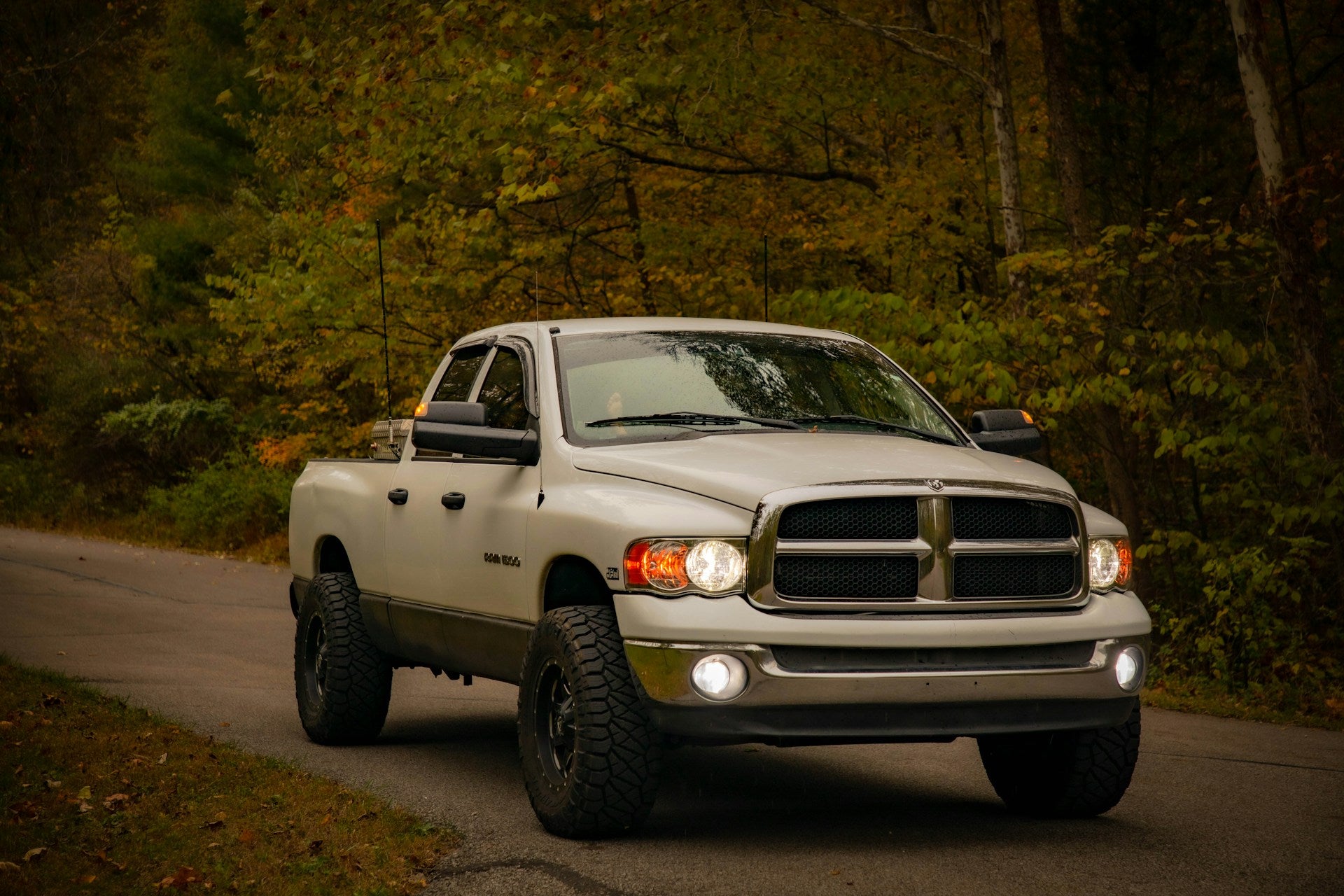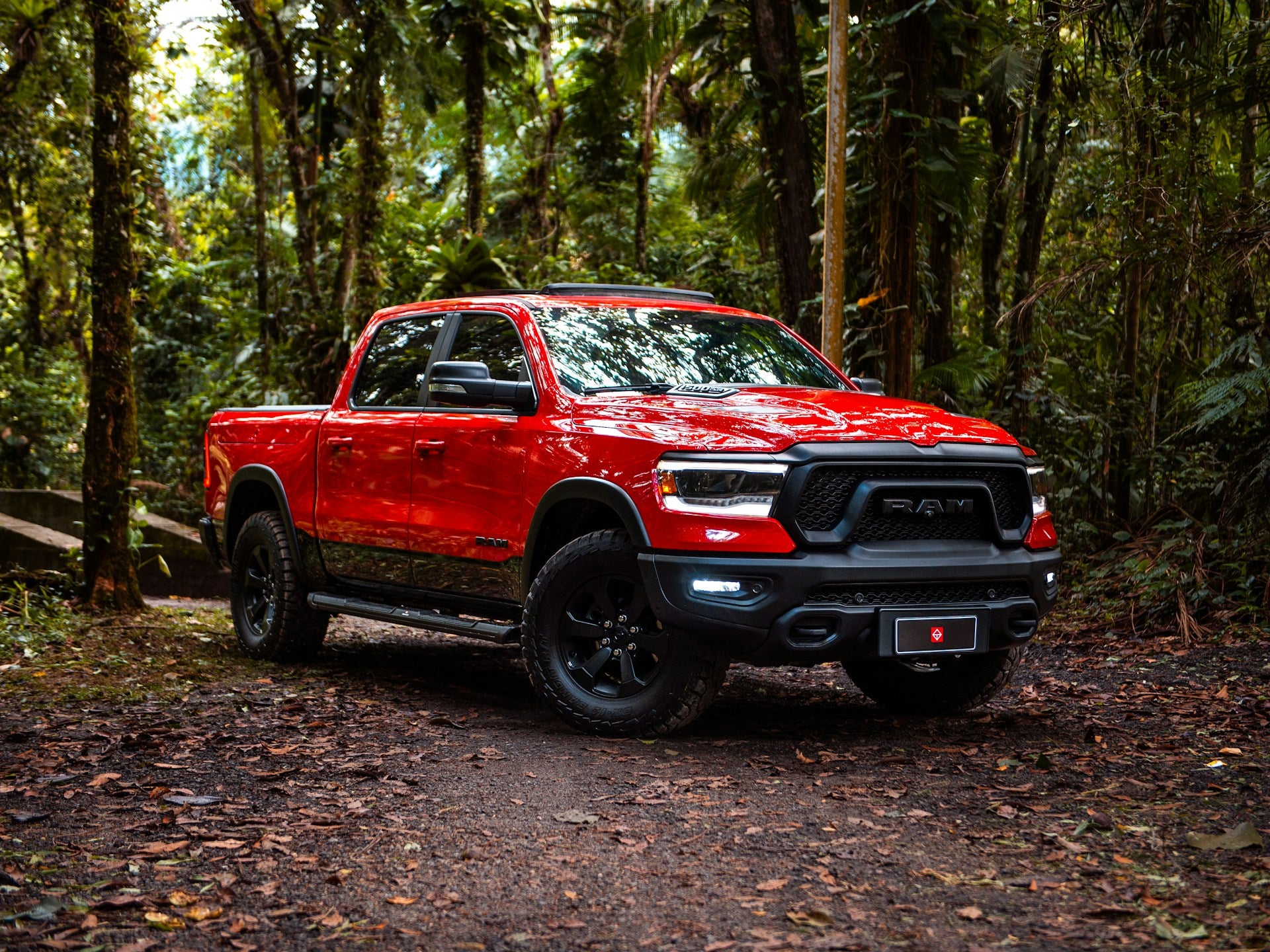





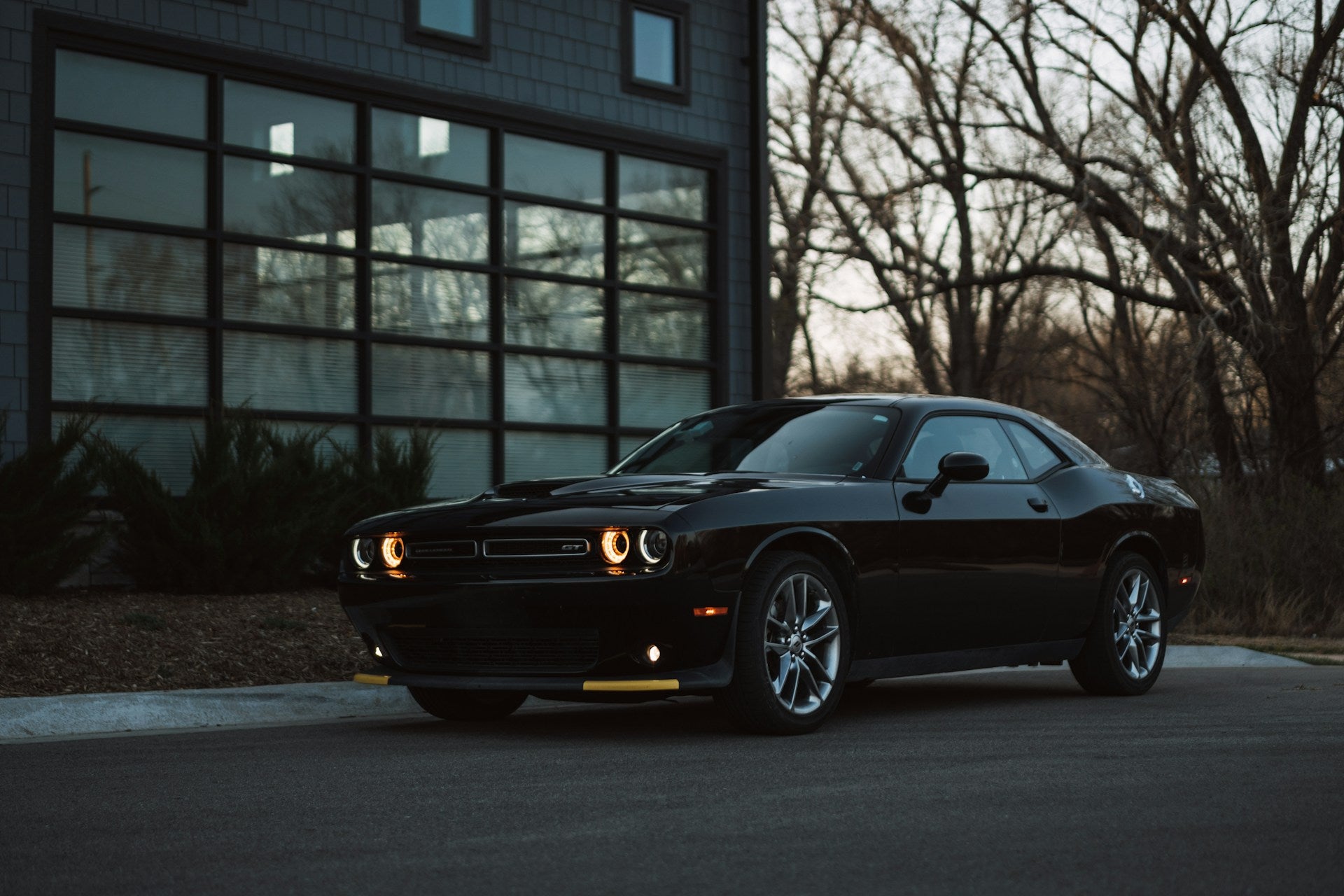
Getting a Dodge in Sugar Land ready before fall rain starts isn’t just about convenience. Slippery roads, low visibility, and extra moisture can all sneak up fast if we’re not paying attention. A few basic checks now can go a long way once those puddles start showing up.
Tire Traction and Tread Before Wet Roads Arrive
Tires are the only part of a vehicle that touches the road, so it's worth taking a closer look before storm season kicks in. Once fall rain arrives, tire condition starts to matter more than ever.- Tread depth plays a big part in how water moves out from under the tires. Worn-down treads don’t grip wet pavement well, which leads to less control during turns or sudden stops.
- Air pressure shifts with outdoor temperatures. As mornings cool off, it's easy for tires to become underinflated. Low pressure doesn't always seem serious, but it increases wear and reduces traction when roads are slick.
- If there’s uneven wear or tires are older than they look, it might be time for a swap or a rotation to keep things safer for fall driving.
We always suggest using a tread check tool or asking for a quick tire inspection whenever the season starts changing. It’s a small step that makes a big difference.
Wiper Blades and Visibility Gear Worth Checking
When skies go gray, visibility becomes one of the most important parts of driving. After baking in the summer sun, wiper blades can lose their shape and dry out, even if they haven’t been used much.- Blades that leave streaks or skip spots are common after long dry stretches. Replacing them takes just a few minutes and helps prevent squinting through every rainy drive.
- Windshield washer fluid should be topped off with a type that can handle light mud and early evening fog. The wrong type can even smear more than it helps.
- Foggy lenses or dim lights aren’t just annoying, they’re dangerous in low-light rain. A quick walkaround check can reveal if anything needs cleaning or a fresh bulb.
These fixes don’t take long, and they’re all about making sure you can see and be seen when it matters most.
Drainage and Leak Spots Around the Vehicle
When leaves start dropping and rains roll in, outside gunk has a habit of finding its way into small spaces. It's easy for drainage paths to get blocked without us even realizing it.- Gutters around the windshield and along the edges of the hood can fill with leaves, pine needles, or dirt. When blocked, they send water to places it doesn't belong, such as inside the cabin or under floor mats.
- Sunroof seals and door gaskets may shrink or crack under long sun exposure. Once those cracks form, fall rain can leak through seams that usually stay dry.
- We like to check the areas where doors close, under the trunk lining, and the edges around windshields. Any moisture or smell inside the cabin is worth a second look before mold has time to grow.
Keeping water out starts with clearing the way for it to drain properly.
Brakes and Stopping Power on Wet Streets
Brake performance can change fast when roads get soaked. What works fine on dry pavement starts to feel loose or delayed once you add water to the mix.- Moisture can settle into brake components, especially if the vehicle sits outside overnight. That thin layer of dampness may take longer to burn off than expected, especially in older models.
- Squealing, grinding, or needing more space to stop are common signs of worn pads. Wet streets make those signs show up earlier than usual, even with light use.
- If brakes vibrate or the pedal feels soft, it may mean the rotors need checking. We’ve seen rain bring out noises that were barely noticeable before.
Checking brakes before hard stops are needed keeps the driving experience smoother and safer overall.
Battery and Electronics Ahead of Humid Weather
Humidity doesn’t just hang in the air, it gets inside wiring and battery terminals too. When that happens, problems can sneak up overnight.- Older batteries often lose strength as moisture builds in the air. If morning starts feel weak or slow, that could be a sign it's wearing out.
- White or greenish buildup around the battery posts means corrosion. That gunk interrupts the connection and drains power, especially when systems like defrosters or wipers are running full-time.
- Wiring near lights, under seats, and behind dash panels can start acting up if moisture finds a way inside. Sealed connections help prevent short circuits and flickering lights down the line.
Simple checks for swelling, discoloration, or flickering are worth the extra few minutes this time of year.
Stay Road-Ready When Sugar Land Skies Turn Gray
Fall rain changes how we drive, even if we only go a few miles each day. Fewer daylight hours, busier roads, and more standing water can turn a casual trip into something stressful fast.We’ve found that giving your Dodge in Sugar Land a few quick checks before the season shifts helps everything feel more predictable during a rainy commute or weekend errand. Whether it’s tires with grip, brakes that stop confidently, or a wiper that doesn’t smear halfway home, the difference adds up.
Rain will come either way. The smoother the drive feels going into fall, the easier it is to focus on where you're heading.
When your fall checklist points to the need for a new ride, we’re here to make your search easy. Our lot features a reliable selection of used vehicles designed to handle rainy weather and everyday errands with comfort. Explore options like the Dodge in Sugar Land that matches your budget and routine. At Finnegan Chrysler Jeep Dodge Ram, we’re always available to help you find the right fit for your needs, so let us know whenever you're ready.