




We’ve noticed more visits this time of year from drivers asking if their brakes are ready for winter. Problems with stopping distances or warning lights tend to surface as temperatures drop. Taking the time to check and prepare your brake system before winter really sets in can help avoid larger repairs and give you more confidence on the road.
Why Brake Systems Act Differently in Colder Weather
Brakes don’t need freezing temperatures to struggle. Even cooler nights and early mornings in Rosenberg, Texas, can have an impact. The signs may start small, but they matter once road conditions change.- Brake fluid can have a slower flow at lower temps, which may delay how fast your brakes respond.
- Cold air can reveal wear on brake pads and rotors that didn’t cause problems in warmer months.
- Wet streets, especially early in the day, make it harder for tires to grip, meaning your brakes need to be in solid shape to make safe stops.
These shifts in how brakes behave can catch drivers off guard, especially if the vehicle seemed fine all summer. That’s why this time of year is key for getting everything checked out.
Common Signs That Your Brakes Need Attention
Drivers usually notice brake issues through sound or feel before anything else. You don’t need to know every part under the hood, but keeping an ear out for odd noises or changes in how your vehicle slows down can help avoid surprise problems.- Squeaking or grinding can mean brake pads are wearing down or already too thin.
- A pulsing brake pedal or a shaky stop may point to rotor wear.
- Slower response or longer stopping distances are hard to ignore and should be checked.
- Dashboard lights like ABS or brake warnings shouldn’t be brushed off, especially on colder mornings.
Even if your car only makes noise once in a while, that can still be an early clue. It's better to look into it before you find yourself needing full brake work right before a holiday trip.
What Local Drivers Ask for During Fall Brake Prep
When drivers around Rosenberg schedule brake system checks before winter, they’re usually looking for peace of mind. During fall, many of us prefer to get ahead of any issues rather than wait for something to give out on a damp commute.- Checking brake fluid levels ensures there's no trapped air or old fluid slowing you down.
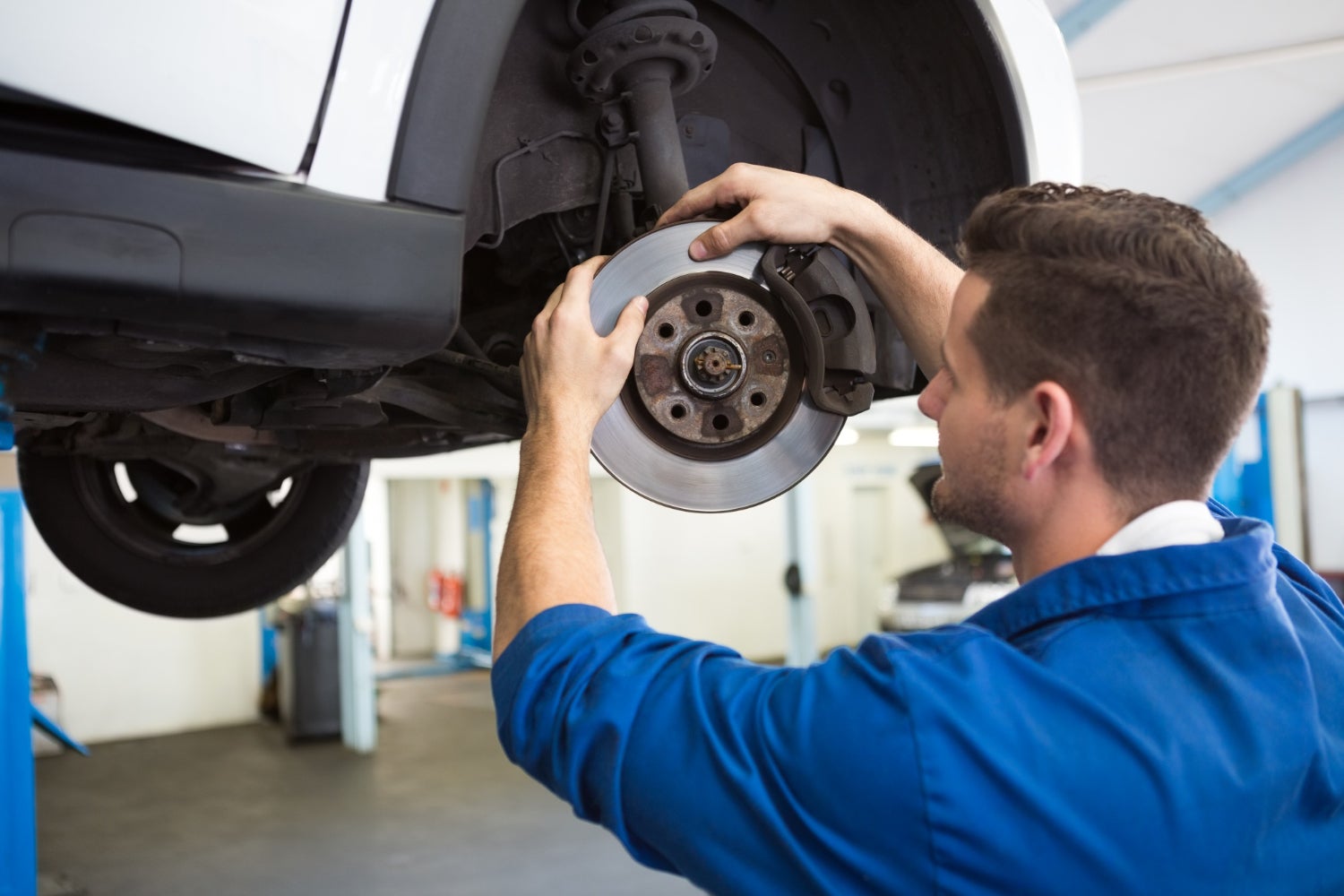
- Brake pad and rotor inspections help measure whether there’s enough life left in them.
- A short test drive lets us listen for odd sounds, especially when driving through damp neighborhoods or coming to slow stops.
These steps can often be done quickly, and they make a big difference once late fall turns into colder mornings and busy traffic during the holidays.
Why Some Brake Issues Go Overlooked Until It’s Too Late
Not every brake issue starts with a loud noise. Some creep in slow, especially during mild fall days when bigger problems haven’t had a chance to show yet. We see this a lot with short trips through town or older vehicles that aren’t used as often.- Light driving in warm fall weather doesn’t always trigger a warning, so wear might go unnoticed.
- City routes without sudden stops can mask brake responsiveness issues until there's a need for faster reaction.
- Clder cars or trucks may not alert the driver clearly, and small problems build over time.
If fall driving patterns stay relaxed, it’s easy to think the car is doing fine. Then holiday plans roll around or unexpected rain hits, and those early warning signs suddenly seem more pressing.
How Rosenberg Car Dealers Help Drivers Get Ahead of Winter Wear
This is the time of year when more people start asking about different seasonal checks, especially for brakes and tires. Since we live and drive here too, we understand how roads can change between November and January in Rosenberg, Texas.- Seasonal inspections often focus on brakes, steering, and tire grip since these are the first to show problems on slippery roads.
- Teams familiar with daily traffic patterns around Rosenberg usually know what kind of wear to expect and can spot it sooner.
- Having flexible service slots helps local drivers squeeze in a brake check during a lunch break or between errands before the holidays get busy.
Planning early helps avoid the last-minute scramble for a brake check right when you need the car for visiting family or finishing errands before school breaks.
Confident Driving Starts with Smart Prep
Once winter weather moves into southeast Texas, it doesn’t take icy roads to create problems. Cold pavement, early rain, and morning fog all play a role in how your brakes respond. Getting ahead of those changes helps cut down on worry, especially if you’re loading up the family or driving to a holiday event.We’ve seen plenty of Rosenberg drivers catch issues early just by asking for a simple brake check in November. It’s a simple way to keep one big part of your vehicle ready, and it usually means driving into winter with a little more peace of mind.
Cooler mornings and slick roads are a reminder that fall is a perfect time to ensure your vehicle is performing its best. As many drivers visit Rosenberg car dealers this season, they’re also rethinking whether their current vehicle still meets their needs. Every year, we talk with customers who discover during a routine fall inspection that it might be time for an upgrade. At Finnegan Chrysler Jeep Dodge Ram, we’re always here to answer your questions or schedule a closer look at your options, so reach out whenever you’re ready to discuss your next steps.