




Finnegan Chrysler Jeep Dodge

Blog / Blog

Is Your Jeep Ready for Texas Back Road Adventures?

Jeep
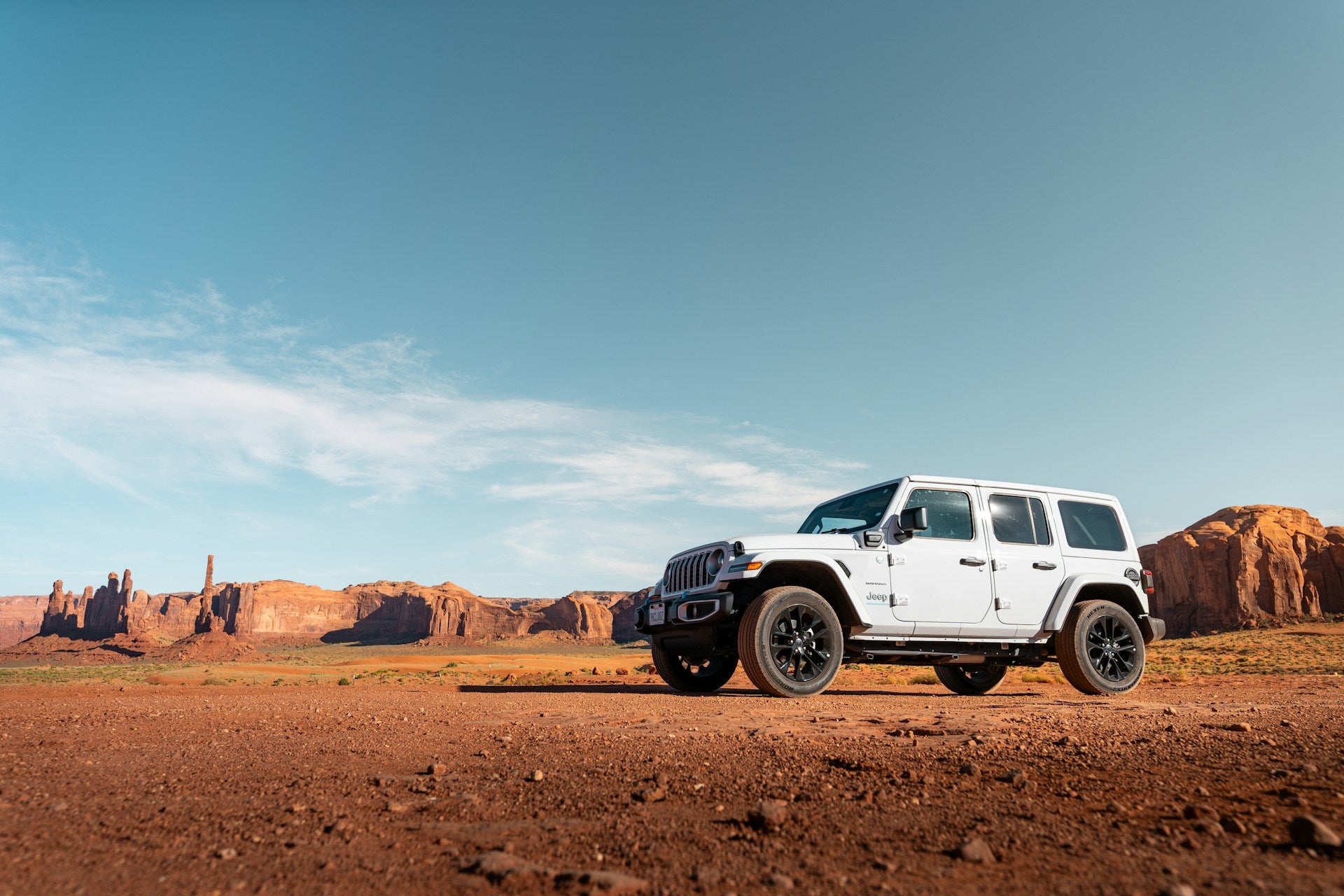
Long summer days across Texas have a way of pulling drivers off the highway and onto the back roads. For those of us with a Jeep in Rosenberg, July’s heat and daylight hours make this a popular time to ride beyond the pavement. The dirt trails and gravel passes just outside town offer a welcome break from the usual commute. But before we get too far off-grid, it’s smart to spend a little time prepping the vehicle that’s supposed to get us there and back.

We’ve noticed more drivers using their Jeeps for weekend trail rides, fishing trips, and day drives through ranch lands. That’s great to see. But trail-readiness means more than switching the Jeep into 4WD. The back roads of South Texas can be unpredictable, and when the sun’s beating down, small problems become big ones fast. A little time checking things now can save your day later.

Check Your Tires and Suspension

Your tires take the brunt of whatever the road throws at you. Between loose gravel, dry dirt ruts, and rocky patches, they need to be up to the task.

  • Look for uneven wear or thinning tread. Tires with too little grip can struggle on loose surfaces and may not protect your wheels well.
  • Check for sidewall damage like cuts or bubbling, especially if your Jeep’s been soaking up summer heat in direct sun.
  • Suspension parts matter too. Get a good look at your shocks, struts, and control arms. Watch for any signs of leaking, cracking, or sagging.

If things feel softer or rougher than usual while driving over a bump, your suspension might already be wearing down. For back road driving, you want tires that bite and a suspension that cushions and controls.

It’s important to remember that your tires and suspension act as the first line of defense between your Jeep and unpredictable Texas terrain. Frequent checks do more than protect your wheels; they support your overall handling, especially during sudden maneuvers or emergency stops. Taking time to inspect these systems before each trip increases both safety and comfort, helping avoid surprise breakdowns when you are miles from town.

Keep an Eye on Fluids and Engine Cooling

July heat isn’t just rough on people. It wears on engines too. When temps hit triple digits, your cooling system becomes one of the most important parts under the hood.

  • Start by checking your coolant level. It should be full, clear in color, and free from visible sludge.
  • Make sure your hoses are flexible and free from cracks. Brittle rubber doesn’t hold up for long in the Texas sun.
  • While under the hood, inspect belts for fraying or splitting.
  • Engine oil, brake fluid, and transmission fluid should also be topped off and within their proper ranges.

If you hear the fan running louder than usual or notice a higher temp gauge when climbing hills, don’t ignore it. Off-roading in hot weather puts extra stress on the engine, especially when you’re inching along at low speeds without good airflow.

Regular fluid checks are essential year-round, but they matter most in summer when parts are already under stress. It is easier to prevent overheating issues by keeping a close eye on coolant and oil than it is to fix the problem after a warning light comes on. High temperatures also thicken the workload on your transmission if you are shifting often or going slowly over tricky spots, so double-checking all fluids helps protect against unwanted surprises. Even a simple fluid top-off can mean the difference between a smooth trail ride and a day cut short by a steaming engine.

Test 4x4 System and Undercarriage Readiness

You don’t want to find out your 4-wheel drive doesn’t engage after you’re already in deep gravel. That system should be checked before the trip, not once you’re on it.

  • Engage the 4WD system while parked and again while moving slowly to confirm it shifts smoothly.
  • Listen for clicking, grinding, or any strange hesitation.
  • Take a good look underneath your Jeep where things can really take a beating.
  • Make sure the skid plates are in place and not bent.
  • Check that axles, drivelines, and joints are solid, without rust or hanging debris.

If something looks loose or damaged under there, it's better to fix it now than risk being stuck miles from a paved road.

Checking your 4WD system also means inspecting all connecting parts, not just the lever or button inside your Jeep. Many off-roaders overlook things like loose skid plates or aging bushings, but taking this extra step ensures that sudden obstacles on the trail will not threaten the safety or control of your vehicle. It is well worth a few extra minutes out of your weekend to do a full undercarriage and system check, as things like hidden rust or buildup can quietly wear down your Jeep’s ability to respond when you need it. This habit can extend the usable life of even older models, keeping them ready for whatever the trail throws at you.

Pack Smart for Off-Road Safety

Odds are good you won’t have cell service everywhere you go. When that happens, preparation counts more than reception. It doesn’t take a lot to stock your Jeep for safety, just some basic items that can make a huge difference.

  • Always carry tow straps and a reliable, fully charged jumper pack.
  • Toss in a flashlight with extra batteries, a tire pressure gauge, and a portable air compressor.
  • Pack a small first-aid kit, sunscreen, and extra water, especially if you plan to be out during the heat of the day.
  • Paper maps are still worth keeping nearby for when electronic ones can’t download.
  • A spare tire in good shape, a working jack, and lug wrench should never leave your Jeep.

Emergency gear isn’t overkill. It’s just part of treating these drives with respect. Things are fun until they’re not, and that flip can happen with something as basic as a flat tire.

It pays to keep your supplies organized. Many off-roaders use plastic tote bins or seatback organizers to store essentials where they can be reached quickly. This helps avoid digging around for that one tool or snack when you most need it. As summer temperatures rise, prioritize keeping your extra water and sunscreen handy. A little bit of thoughtful packing can set your mind at ease and boost your ability to handle whatever happens on the trail.

Know Your Jeep’s Limits Before You Ride

Not every trail is built for every vehicle. It’s easy to get too confident if your Jeep has handled dirt roads before. Still, every model has limits that deserve respect.

  • Stick to trails that match your trim level, tire clearance, and 4WD capabilities.
  • Avoid trying to cross mud, deep moving water, or vertical climbs that require lift kits or locking differentials unless your Jeep's ready for it.
  • Pay close attention to the weather. In July, blue skies can turn fast. Recent rain can turn a dry trail into a slick, rutted mess in hours.
  • Keep your eyes peeled for trail signs, closed gates, or posted restrictions.

Sometimes the smarter choice is turning back rather than pressing forward. Getting stuck in the middle of nowhere isn’t just facepalm-worthy, it can damage your Jeep and your weekend mood.

Part of enjoying off-roading safely means respecting both your Jeep’s mechanical limits and the unique features of each trail. Getting familiar with your owner’s manual and knowing exactly what your trim can handle improves both safety and confidence. Reviewing trail updates or chatting with local drivers before you head out can help set expectations and keep you on paths where your Jeep will perform best. This preparation reduces frustration and lets you make the most of every trip.

Gear Up for Better Rides All Season

The care we take ahead of time usually shows up later, in all the best ways. Prepping now means fewer interruptions and more time enjoying the ride. And it’s not just about avoiding problems, it’s about extending the life of your Jeep and getting the most out of every mile.

A little attention before you hit the trail can save what would otherwise become a long, frustrating day. Summer’s still got plenty of weekends ahead. With the right prep, your Jeep’s ready for every dusty mile between Rosenberg and wherever the trail takes you next.

Planning summer adventures around Rosenberg means more time on trails, ranch roads, and local highways, so make sure your Jeep is ready for anything. We offer options built to handle the heat, dust, and every weekend getaway without slowing you down. Whether you’re looking for your first trail-ready ride or want to upgrade, browse our current selection of Jeep in Rosenberg to find the perfect match for the drives you have in mind. At Finnegan Chrysler Jeep Dodge Ram, we’ll help you prep for the season ahead, just give us a call to get started.
Posted in:

Related Posts

Dodge Ram

How Dodge Ram Limited 4x4s Handle Texas Fall Trails

Fall in Texas doesn't necessarily mean heavy rain or mudslides, but the change in weather does show up in the way trails feel under your tires. Dusty summer routes soften a bit, leaves start to cover the ground, and cooler temperatures pull more people outside for weekend drives around Rosenberg. The Dodge Ram Limited 4x4 fits right into that seasonal shift. It's well built for pickup drivers who want less bouncing over debris and more confidence when heading into rougher areas. We’ve seen how these trucks hold up out here, and they balance day-to-day use with real off-road capability. That matters more when the trails get slippery, the clouds roll in, or you’re hauling gear to a campsite out past the pavement. Let’s walk through what features make the Dodge Ram Limited 4x4 such a steady pick for fall trail driving in this part of Texas. Texas Terrain in the Fall Trails around Rosenberg can change a lot in a short time. Early fall brings dry dirt and cracked ground, but as temps drop later in the season, you’ll find shaded areas staying damp longer. That can turn familiar tracks unpredictable. Fallen leaves often hide soft soil or scattered tree limbs, which can throw off a vehicle with poor traction or no ground clearance. Some back trails gather sand and gravel, making it tough to hold steady during turns. Conditions may switch fast between dry patches and slick creek crossings. The Dodge Ram Limited 4x4 helps level out those changes. With traction support built into its systems, the truck stays controlled even when things under the tires shift. It doesn’t feel jumpy on uneven ground, which is a big deal on narrow wooded paths where sharp brakes or steering issues can cause real trouble. Ground Clearance and Suspension That Adjusts to the Ride Some trucks sit too low for real trail work. Others ride so high they wear you out during longer trips. This model finds a smart middle. Height-adjustable air suspension lets you raise the truck when you’re approaching low spots, like water-cut paths or sudden dips. Once you hit paved roads again, you can lower the suspension for a smoother drive. High clearance reduces the chance of sticking your undercarriage in mud or damaging parts across fallen rock. We like how all of that is easy to control from inside the cab. No need to fumble with anything outside. That makes changing trail conditions a little less stressful, especially if you're switching surfaces often during a day trip. Comfort and Controls on Longer Outdoor Drives Fall trail runs might start early and end after dark, depending on where you go and how remote the area is. A truck that’s built only for rough roads can wear you down before the day’s even done. That's not the case here. Heated seats help when mornings start cold during October and November. Sound insulation in the cabin keeps it quiet enough for conversation or music, even with gear in the back. Steering and shifting stay responsive whether you’re crawling through trees or cruising on the return trip. Driving modes also make a noticeable difference. You can feel the truck adjust when switching between trail and highway settings. It keeps the ride stable without sacrificing the finer handling needed on tighter backroads. Hauling Gear for Weekend Trail Runs Nobody just hops in a truck and drives a trail empty-handed. Whether it's hunting season, a group hike, or just packing for a long afternoon, your gear has to come along. The Dodge Ram Limited 4x4 doesn’t just handle terrain, it manages cargo well too. Bed organizers and underseat storage keep essentials handy without making the cab feel cluttered. Strong towing ability means you can hook up a trailer with ATVs or extra equipment if the weekend calls for more. The truck bed holds heavy coolers, firewood bundles, or anything else needed for a camp setup with no issue. That load-carrying strength comes without messing with weight balance, which means better control even on uneven trails. And with storage designed into the interior, you won’t have items bouncing around when the road gets shaky. What to Look for Before Hitting the Trail Preparing the truck for a fall trail day isn’t complicated, but it is important. Safety and performance start with a routine check to make sure your gear and truck match the trip ahead. Check tire pressure and tread depth to make sure you have enough grip on loose dirt or soft spots. Look over the 4x4 system and test drive your preferred mode a little before getting far from the road. Pay attention to how the suspension feels when the truck enters a dip or moves over a ridge. This isn’t just about avoiding breakdowns. It’s about enjoying the trail without worrying that something small will sideline the entire plan. A quick once-over can make a big difference, especially when you're out where help isn’t a five-minute drive away. Built for Texas Roads and Off-Road Routes Fall really is one of the best times of year to be out on Texas trails. The heat backs off, the bugs ease up, and the roads around Rosenberg feel more open. But none of that pans out if your truck isn’t up to it. The Dodge Ram Limited 4x4 gives us that balance between comfort, space, and rugged trail performance. We like that we can use it during the work week without giving up trail abilities on the weekend. When the truck works for your daily needs and your weekend plans, it just makes life easier. Picking something that holds up well through all types of Texas conditions means fewer limits and more to look forward to each season. Whether you’re planning a weekend trail run or making room for your fall gear, the right truck truly makes a difference. The Dodge Ram Limited 4x4 is built to handle everyday drives and outdoor adventures across Rosenberg, especially when the seasons change. See our current options for the Dodge Ram Limited 4x4 to find a truck that handles both work and off-road comfort. At Finnegan Chrysler Jeep Dodge Ram, we’re here to help you choose the best fit, just give us a call or stop by when you're ready.

Chrysler

Top Things Chrysler Buyers Double-Check in Rosenberg

Buying used Chrysler cars in Rosenberg is a common step for many drivers who want a dependable vehicle without the cost of a brand-new model. It’s a smart move, but only if you take time before signing the paperwork. We have seen buyers rush and regret it later. With cooler temps and changing routines this time of year, it’s easy to overlook details. Fall brings more school traffic, weekend drives, and early sunsets, which means your vehicle needs to be ready each day without problems. That’s why smart buyers double-check a few key areas to make sure the car fits their lives, not just their budgets. Exterior Condition and Wear A walkaround does more than check for scratched paint. It gives clues about how well the car was treated. Out here in Rosenberg, our summers are hot and full of sun, rain, and the occasional hail, and all that weather leaves signs behind. Look for sun-faded paint or cloudy headlights, especially on older vehicles that sat outside. Check for dings, dents, or mismatched panels; these could mean past body repairs that were not done well. Fall is a good time to look over the tires, too. If they are worn unevenly or have cracked sidewalls, it could point to alignment issues or simple aging. Make sure lights, mirrors, and bumpers are all firmly in place and working. After a long summer of heat and storms, some plastic parts may need attention. The outside may not tell you the full story, but it will show you whether the car has been cared for or just cleaned up quickly for a sale. Interior Comfort and Cleanliness The way a used car looks inside matters every bit as much as how it runs. For daily commutes from Rosenberg, school drop-offs, or longer drives between towns, interior feel matters to a lot of families. Check the seats. Are they clean? Are they sagging or stained? Sun damage can crack leather and heavy use can flatten cushions. Flip every switch. Dash lights, locks, seat adjusters, and rear defrosters should all work smoothly. Small things add up fast during daily life. Smell matters more than most people think. Lingering smoke smells or mold might mean deeper cleaning or hint at something worse. Test the air conditioning and vents. With fall temps going between warm and chilly, you want those systems to adjust quickly. A clean, working cabin makes driving easier and more pleasant, especially with kids or carpools. Engine and Transmission Response Looks matter, but they do not drive the car. The real test happens once the engine turns on and you take a ride around Rosenberg. Start from cold if you can. Does the engine fire up fast or just crank slowly? Pay attention to how the transmission moves between gears. Slips, hard shifts, or delays are red flags. Try some sudden stops in a safe space. Brakes should feel firm and even, not grabby or soft. Turn the wheel while idling. Do you hear clicking or groaning? That might point to suspension or steering issues. Press the gas a little harder on a quiet road. Rattles, squeals, or vibration under pressure should not be ignored. If the vehicle sounds off or does not feel surefooted, it is worth asking follow-up questions before moving ahead. Service History and Mileage Gaps Even if a car looks perfect, the paperwork tells an even bigger story. Service records and mileage checks can show how well a vehicle has been kept over time. Check the oil change records, brake service, and fluid checks. These basics matter for long-term performance. Gaps between mileage entries on reports can be a red flag. That might show the car was off the road for a while, or that maintenance was not kept up. Look over tire rotation records, battery replacements, and any signs of major repairs. A car that has been cared for will show it here. A stack of clean and clear service documents usually points to a more reliable ride. Feature Compatibility for Local Life Chrysler offers a lot of comfort and tech features, but not every model is a good fit for every person. We often see buyers in Rosenberg checking for certain features that matter more locally, especially as weather changes and holiday traffic picks up. Families check for car seat fit, rear cargo access, and quiet rides for naps and school trips. Commuters look for clear navigation, sharp backup cameras, and solid phone pairing for hands-free driving. Some buyers check radio quality, sunshades, and how quickly heaters or coolers respond, especially during early fall mornings. Storage features like fold-flat seats or trunk pass-throughs become more useful with all those fall sports schedules and grocery runs. Do not let unused tech or missed comforts surprise you after the sale. Try each feature and see how it fits daily life around town. Buy With Confidence This Fall Used Chrysler cars can be a solid choice when we take the time to look past the basics. Whether it is confirming engine response or checking if the tech fits our routine, a little effort before buying saves us stress later. Fall in Rosenberg means more moving pieces in daily life, more school days, cooler mornings, and plenty of weekend events. That is why local buyers double-check details, not just price. We have found that the best buys are the ones that hold up through changing seasons and everyday use, without unexpected problems waiting just around the corner. Thinking about a vehicle that can handle Rosenberg roads and season after season with ease? Start with a lineup known for value and comfort. We focus on function, feel, and long-term fit, because those everyday details matter to you. When you are ready for something that ticks all the boxes, check our available used Chrysler cars. At Finnegan Chrysler Jeep Dodge Ram, our staff is available to answer your questions and help you with the next steps, just give us a call or stop by when you are ready.

Ram Truck

Used Ram Trucks in Rosenberg, TX: Payload vs. Towing for Work and Weekends

Find Your Ideal Used Ram Truck for Work and Play Choosing one truck that can carry your tools all week and still tow a camper or boat on the weekend is a big decision. Around Rosenberg, Sugar Land, and Richmond, a lot of drivers need a pickup that does both without breaking the budget. That is where understanding payload and towing comes in. When you shop used Ram trucks in Rosenberg, TX, it helps to know what those numbers on the door sticker actually mean. Payload and towing sound similar, but they affect your workday and your weekends in different ways. Here, we will talk through what each rating means, how different Ram trucks compare, and how to pick a setup that fits both your jobsite and your favorite fall getaways. Payload vs. Towing Capacity Explained in Real Terms Payload is how much weight the truck can carry on its own frame. That includes everything that sits on or in the truck, like: People in the cab Tools in the bed Bags of concrete or mulch Bed racks, toppers, and other add-ons If you are a contractor, landscaper, or serious DIYer, payload is what keeps your truck from sagging, bottoming out, or wearing out parts too early. Load too much in the bed or cab and you can hurt how the truck handles and how safely it stops. Towing capacity is how much weight the truck can pull behind it on a trailer. That includes: The trailer itself Boats, campers, or equipment Water, fuel, and cargo on that trailer Here is where tongue weight ties the two together. Tongue weight is the part of the trailer’s weight that pushes down on the hitch, and that counts against payload. So if you have a heavy trailer, you are using up some of your payload even before you put one tool in the bed. On used Ram 1500, 2500, and 3500 trucks, you might see one setup with strong towing but a lower payload, or the other way around. Several factors can change these ratings, including engine choice, transmission, axle ratio, and suspension type and rear springs. More towing does not always mean more payload, so it pays to look at both numbers carefully. Matching Your Workday Needs to the Right Ram Setup During the week, many trucks in our area carry more stuff than they tow. You might be hauling lumber, pipe, or ladders, carrying generators, compressors, or mowers, or driving crews on busy highways between jobs. For a lot of people, a used Ram 1500 gives a nice balance. It generally: Rides smoother in stop-and-go traffic Is easier to park at tight jobsites or crowded lots Works well if you carry moderate tools and a small crew A used Ram 2500 or 3500 shines when you need to load the bed heavy, pull equipment often, or both. The tradeoff is that heavy-duty trucks can feel stiffer when empty and are usually larger to maneuver. When you are thinking work first, it helps to focus on: Bed length and cab style: can you fit ladders, materials, and crew together? Payload rating on the door jamb: does it match your heaviest workday? Useful features like bed lighting, tie-downs, and protective bedliners Any existing work packages or upfitted racks and boxes that match your trade Start by listing your heaviest typical load, not your average day, so your used Ram truck has some breathing room. Ready for Fall Weekends in Texas with Confident Towing When the days get a little shorter and schedules slow down, many drivers shift from jobsite mode to weekend mode. Around Rosenberg, that might mean: Pulling a travel trailer for fall camping Towing a boat for cooler weather fishing trips Hauling ATVs or side-by-sides out to a hunting lease To match the right used Ram truck to your trailer, think in real-world weight, not just the number on the trailer brochure. Add up: Empty trailer weight Water in tanks Food, coolers, and camping gear Fuel, tools, and any toys or equipment Then compare this total to the truck’s towing rating and leave a safe cushion so the truck is not working at its limit on hills, in crosswinds, or at highway speeds. Helpful towing features to look for on used Ram trucks in Rosenberg, TX include: Integrated trailer brake controller for smoother, safer stops Tow/haul mode that helps with shifting on grades Trailer sway control for added stability Heavy-duty engine and transmission cooling The proper class of hitch and, for heavier trailers, a weight-distributing setup These features can make the drive calmer, especially when family or friends are along for the ride. Choosing Between Ram 1500, 2500, and 3500 Used Models So which Ram fits your life? Here is a simple way to think about it. A used Ram 1500 is often great for: Homeowners who haul supplies and do projects Light-duty contractors with smaller trailers Drivers who split time between city traffic and highway trips People who want a comfortable daily driver that still tows and hauls Stepping up to a used Ram 2500 or 3500 can make sense if you: Tow large campers, horse trailers, or heavy equipment often Need higher payload for big tool setups or flatbeds Want stronger frames and suspensions built for heavy work You will balance a few tradeoffs: Capability vs comfort: heavier trucks can ride firmer when not loaded Fuel use vs power: more truck usually means more fuel Budget vs real needs: overbuying can leave you paying for capacity you never use, underbuying can leave you stuck or unsafe The goal is a truck that handles your heaviest workday and your biggest weekend trailer, without feeling like too much truck the rest of the time. Key Used Ram Features to Check Before You Buy When you are serious about payload and towing, condition matters as much as the numbers on the sticker. On any used truck you are considering, pay close attention to: Suspension parts, springs, and shocks for sagging or leaks Hitch receiver, ball mount, and wiring for rust, damage, or poor repairs Signs of overloading like bed wrinkles, frame issues, or uneven stance Brake pads and rotors, plus tire condition and ratings In our warm, sunny climate, it is also smart to look for features that help your truck hold up and stay comfortable: Spray-in or drop-in bed protection Rust prevention and underbody protection All-terrain tires for jobsite access and lease roads Driver assistance systems that support long highway towing Certified pre-owned Ram trucks can add extra peace of mind, since they are inspected and reconditioned to specific standards. When factory-trained technicians look over a used Ram, they can help confirm whether its real-world capability still matches what the brochure once claimed, so you know what your truck can truly handle day after day. Find The Right Used Ram Truck For Your Work And Budget If you are ready for a reliable pickup that fits your needs, explore our selection of used Ram trucks in Rosenberg, TX and see what makes Finnegan Chrysler Jeep Dodge Ram a trusted local choice. Our team will walk you through options, answer your questions, and help you compare trims, mileage, and capabilities so you can buy with confidence. To get quick answers or schedule a test drive, simply contact us and we will follow up with you promptly.