




We talk with drivers every day who are focused on reliability and comfort, but more and more are asking how older models stack up when it comes to safety. That’s a good question. Safety tech has come a long way in recent years, and certain features can make a big difference, on quiet highways, winding backroads, or driving around Sugar Land, Texas. Here’s a look at the safety tools most buyers should know about and what to check when considering a used Jeep.
Jeep Safety Basics Every Driver Should Know
Even before we get into newer add-ons, it’s worth covering the base-level safety features that most Jeep models come with. These core features have been around for a while, and they’re still a big part of what keeps drivers protected.- Standard airbags are usually found for both driver and passengers, helping reduce injury from impact.
- Anti-lock brakes help prevent skidding when you brake hard, especially on wet pavement or loose gravel.
- Backup cameras are common in more recent models, offering a clearer view when reversing into tight spots.
Another key piece is traction control. Most Jeeps are designed for both city streets and rougher roads, so this system helps your tires grip better when the ground is slick or uneven. Some also include electronic stability control, which keeps the vehicle from sliding or tipping too sharply in fast turns or quick stops.
All of these tools are especially helpful during the cooler months when roads can get wet, shaded by trees, or covered in early morning dew. Even on an older vehicle, having them in working order can really ease your mind.
Modern Driver Assist Features in Today’s Jeeps
If you've been in a newer vehicle recently, chances are you’ve experienced some sort of driver assist system. Many pre-owned Jeep vehicles, particularly those from the last five years, include updated tech like sensors and cameras that help with everyday driving.- Blind spot monitoring alerts you when a car is in the lane you want to move into.
- Lane departure warnings gently nudge you if the vehicle senses you’re drifting.
- Front collision warnings detect when something ahead might cause a crash and may even brake for you.
Depending on the model year, some pre-owned Jeeps offer adaptive cruise control or rear cross-traffic alerts too. Features like these don’t replace a driver’s judgment, but they can lighten the driver’s load and help avoid common mistakes, like merging too soon or missing a vehicle hidden at an angle.
It’s smart to ask which of these options a vehicle includes and whether they're working properly. Sometimes previous owners have turned off alerts or sensors that need to be reactivated.
How Jeep Design Adds to Driver Safety
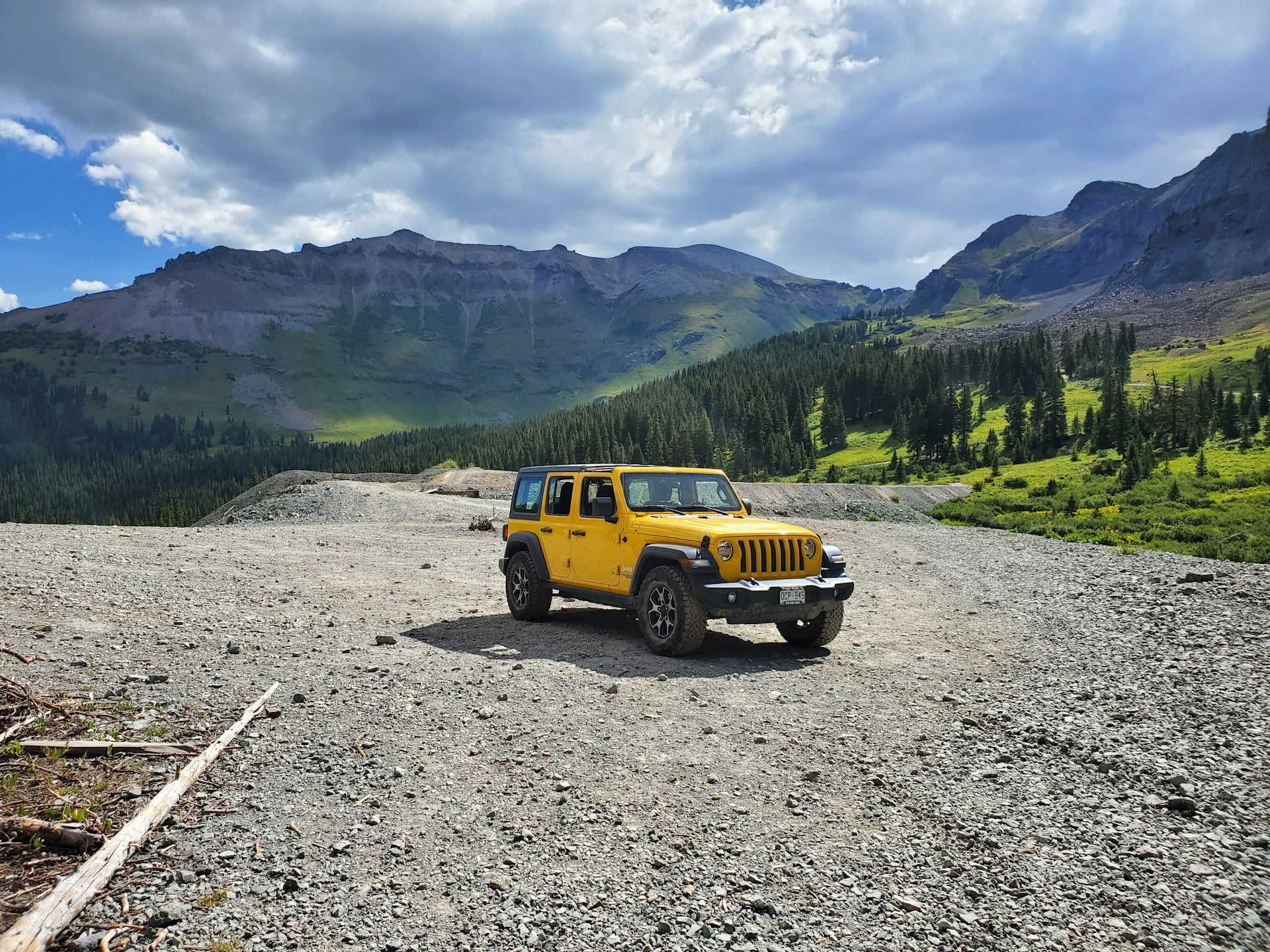
Jeep vehicles are known for their rugged build, and those design choices often carry safety perks. From the outside in, there are a few structural features that help create safer conditions for drivers and passengers alike.- Most Jeep frames are high-strength, which helps absorb impact during accidents.
- Ground clearance in many models lifts the cabin above average road risks like debris or flood water.
- Raised seating and wide front glass make it easier to spot traffic, oncoming turns, or sharp hills.
The 4x4 capability is another notable design benefit. Having four-wheel drive improves grip and balance, especially in rainy or slippery weather, conditions that tend to show up more often this time of year in Sugar Land, Texas. Whether your driving plan includes dirt paths or uneven city roads, a design built for all-terrain driving adds a layer of comfort.
What to Check When Buying for Safety
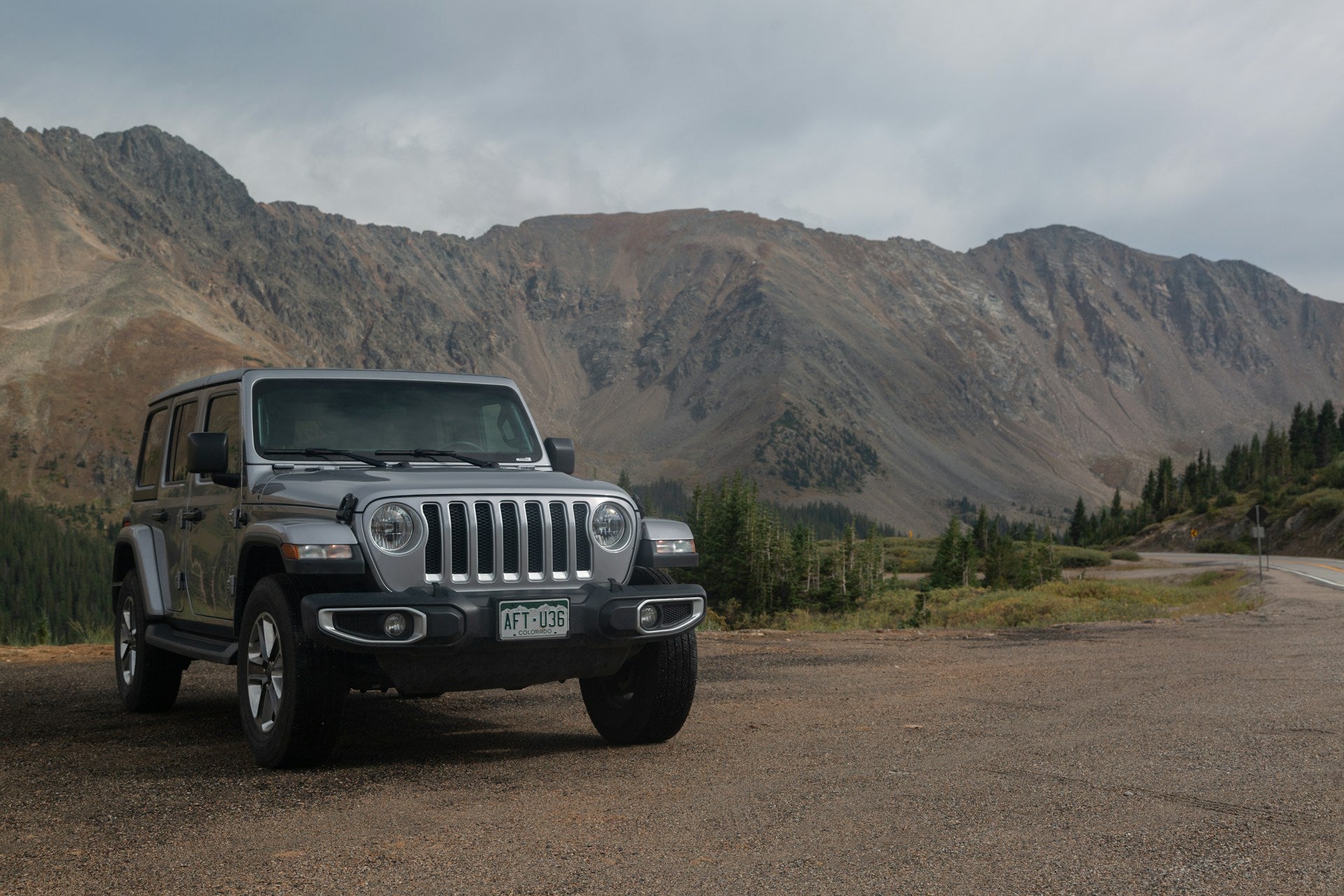
When you’re shopping for a used Jeep and thinking about safety, there are a few things you’ll want to inspect right up front. Walking around the vehicle or sitting inside the cab can tell you a lot if you know what to look for.- Make sure headlights, brake lights, and turn signals all work properly and are bright enough to be seen.
- Look for warning lights on the dash, and test things like parking sensors, cameras, and audible alerts.
- Check tire tread and inflation, since these affect how well systems like ABS and traction control work.
It’s a good idea to ask if the used model comes with its original safety package or any upgrades from a previous owner. Some Jeeps come standard with certain features, but others arrive with optional upgrades that only show up in select trims or year ranges. You’ll want to know what’s there before hitting the road.
Also, give the brakes a test during your drive. Pay attention to how quickly the Jeep slows when you press the pedal and whether you feel any pulling or pulsing. These signs can point to needed service or potential safety concerns.
Confidence On and Off-Road Starts with Trusted Features
Safety tech is one of those things you don’t always notice until it’s needed. Whether you’re cruising through rush hour traffic or hauling gear for a weekend hike, knowing your vehicle helps protect you makes things a little easier. That peace of mind can be especially valuable when you’re working with changing road conditions, longer drives, or short daylight hours.Looking at pre-owned Jeep vehicles with the right safety features means you're not just buying based on looks or mileage, you’re thinking about what drives well now and continues to feel secure later. The right vehicle should work for you, not stress you out. And a well-rounded safety setup is a strong place to start.
Exploring dependable options for your next vehicle is important, especially when safety is your top priority. Many drivers near Sugar Land, Texas, value reliability and important features, and our pre-owned Jeep vehicles offer many of the safety tools you need for confidence on the road. Finnegan Chrysler Jeep Dodge Ram is always here to review the details and answer any questions, so reach out when you’re ready to take the next step.